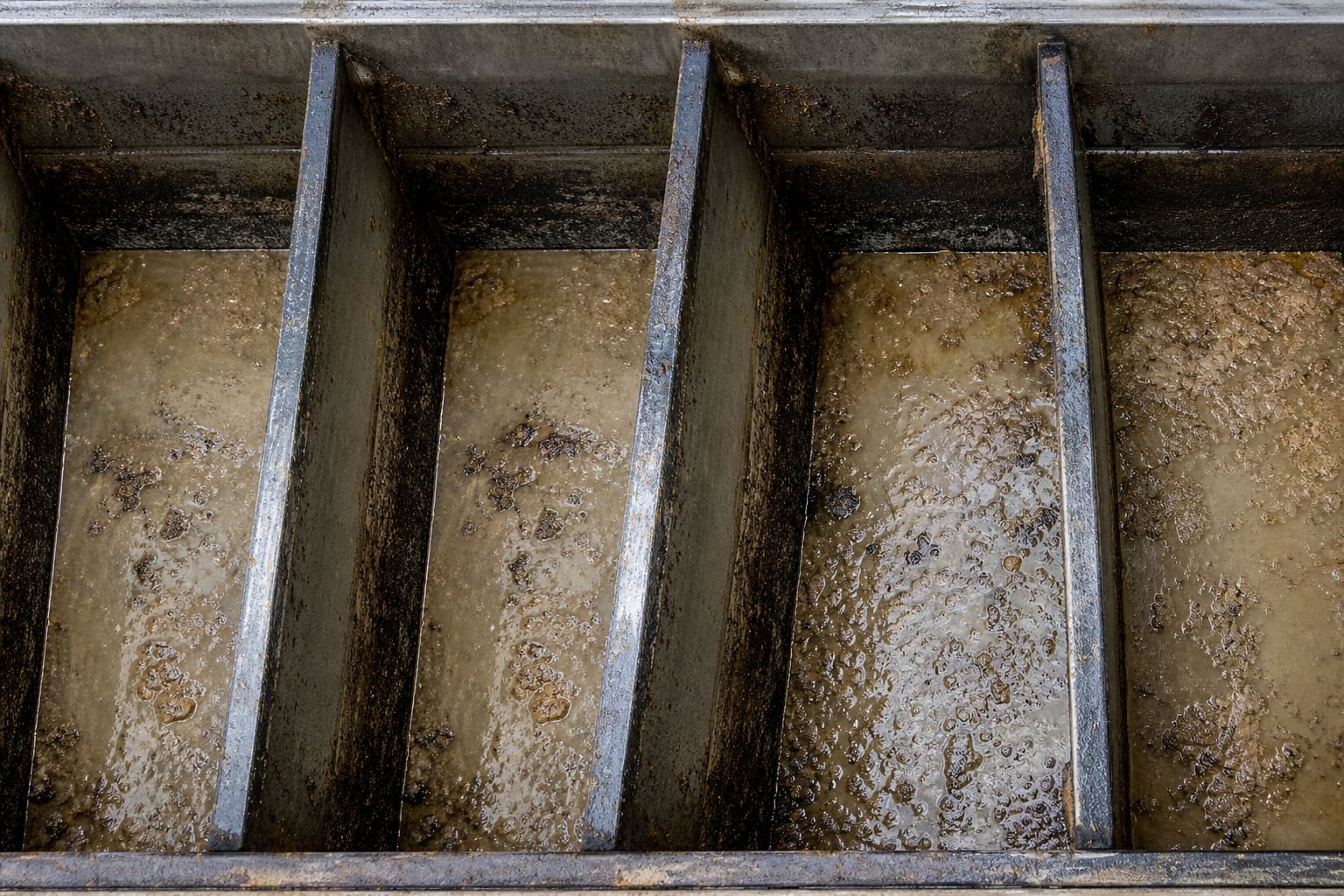
Grease Trap vs Grease Interceptor: What York Kitchens Need
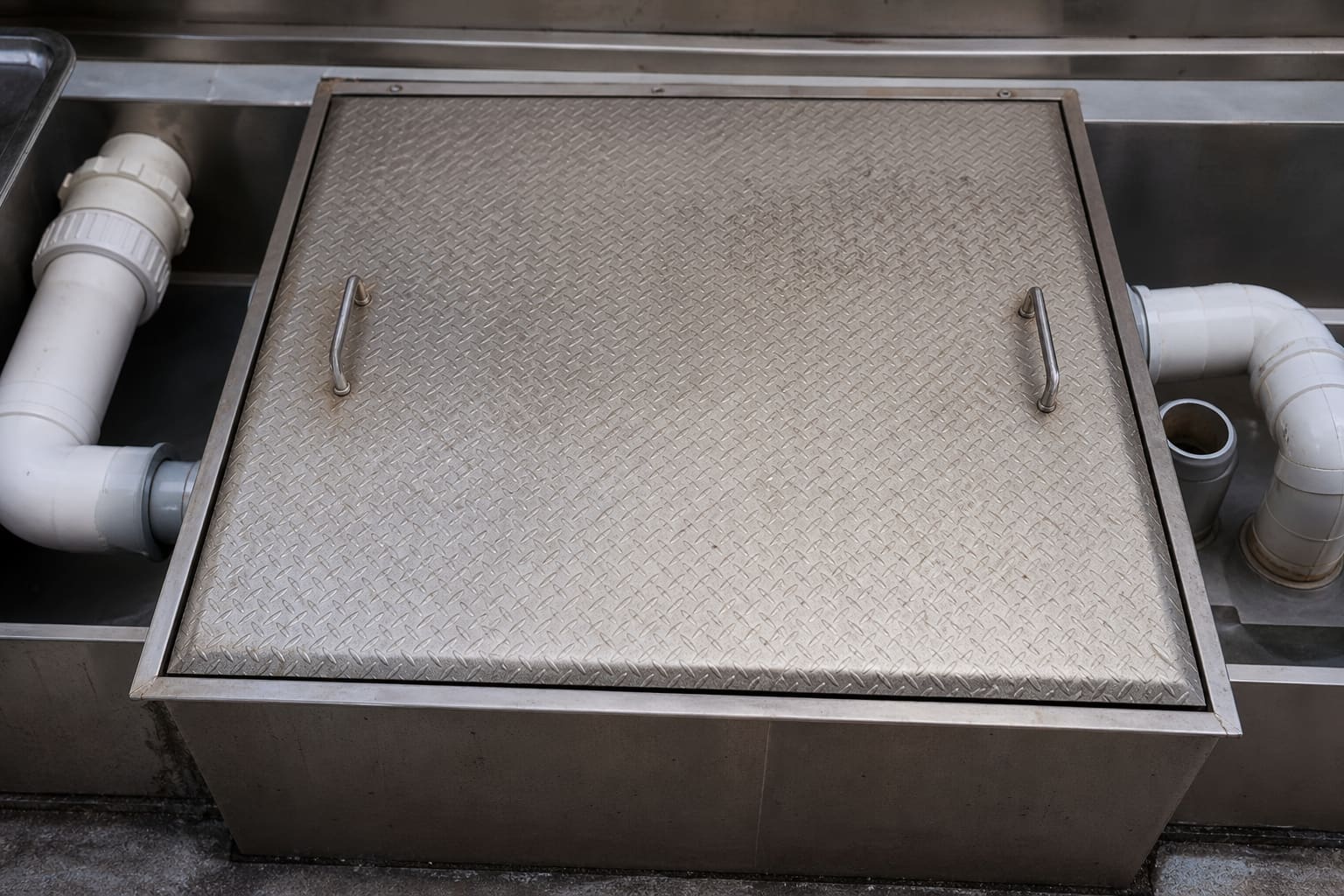
“Grease trap” and “grease interceptor” get used interchangeably on the phone. In the plant room, the difference is usually scale, location, and how the unit is serviced.
Grease traps
Smaller under-sink or near-sink units suit many cafés, pubs, and compact restaurant kitchens. They need frequent cleaning because capacity is limited — fine when access is easy and the cadence is respected. See our grease trap cleaning and grease trap installation services.
Grease interceptors
Larger interceptors serve higher-volume kitchens — hotels, busy restaurants, and sites with heavy FOG load. They may sit externally or in plant areas and are emptied on a planned interceptor service. Explore interceptor servicing.
How to choose
Ask: How many covers at peak? How much frying and dairy? Where can a technician access the unit safely? What will landlords or facilities require for records? A kitchen drainage survey answers these before you buy the wrong box.
York examples
A basement bistro in York city centre may need a compact trap with tight cleaning intervals. A hotel kitchen in Clifton may justify an interceptor with quarterly professional empties and facilities reporting.
Right-sizing is cheaper than living with the wrong unit for three years.
If you are refitting or replacing, request a kitchen drainage survey and we will recommend a practical path — not the largest unit in the catalogue.