FOG Compliance for UK Hospitality Kitchens
Fats, oils, and grease from commercial kitchens are a leading cause of sewer blockages. For York hospitality businesses, FOG management is less about memorising regulation numbers and more about running a kitchen that does not export problems into the drain — or into an emergency invoice.
What “good” looks like
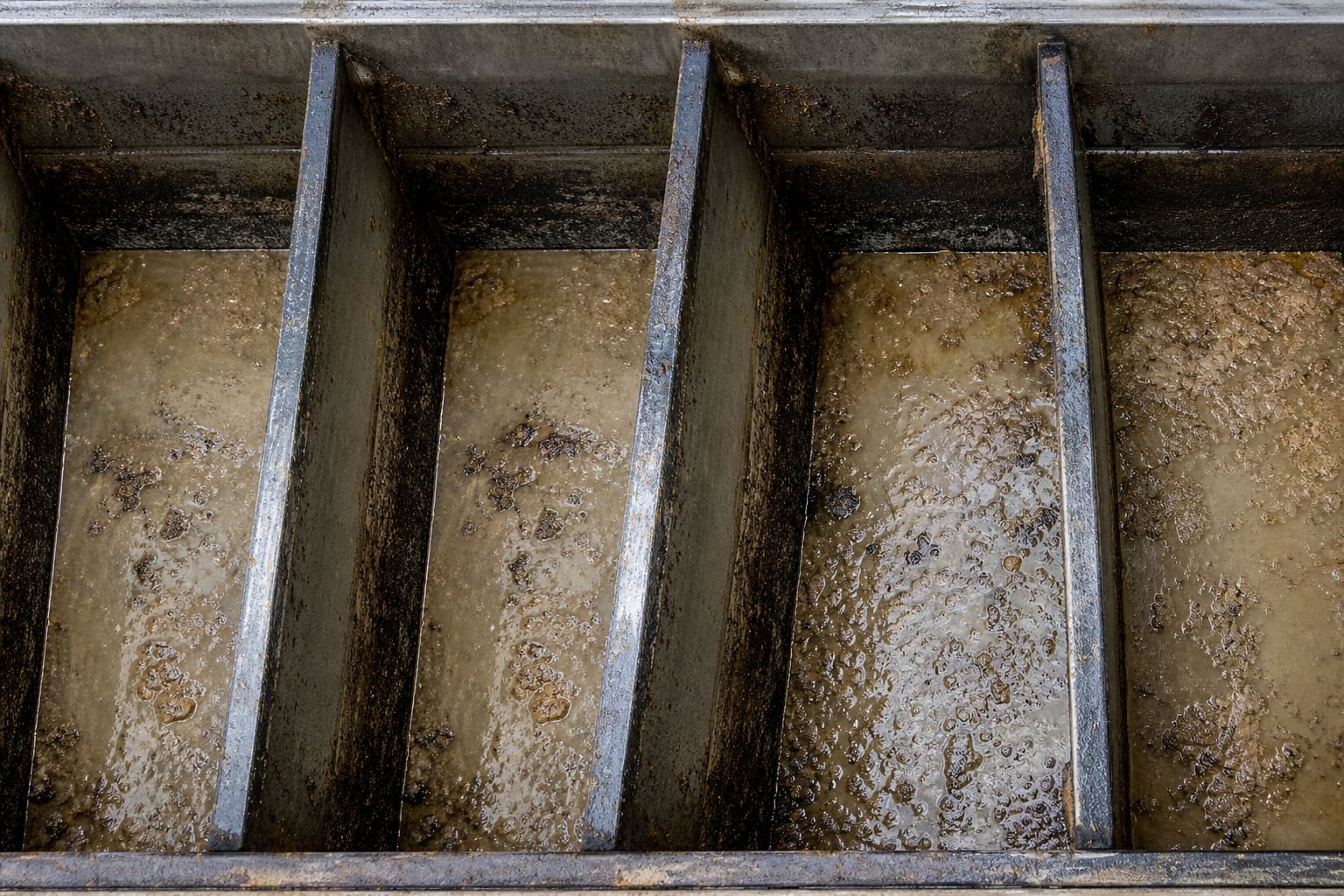
A working FOG approach usually includes a correctly sized grease trap or interceptor, a realistic cleaning schedule, kitchen habits that keep oil out of sinks, and records that show you are paying attention. None of this needs a legal department. It does need ownership.
Our FOG management programmes are built for busy restaurants, hotels, and pubs that need a clear plan — not a thick binder nobody opens.
Why local context matters
York’s mix of basement restaurants, historic drainage, and high tourist peaks concentrates FOG risk in familiar places: city-centre venues, hotel breakfast kitchens, and takeaways with heavy fryer use. Teams in Acomb and Heworth often see the same pattern — traps that look fine until a warm weekend push.
TR19-adjacent hygiene thinking
Extract cleaning under TR19-style regimes and kitchen FOG control are different crafts, but they share a hygiene mindset: planned maintenance beats crisis response. If your brand already schedules canopy cleans, treat grease traps with the same seriousness.
Practical next steps
- Know where your trap or interceptor is and who can access it.
- Confirm the last professional clean date.
- Match the next interval to covers, not optimism.
- Train the kitchen on waste oil and sink discipline.
- Keep service notes in one place.
FOG management is mostly rhythm — clean, check, record, repeat.
Request a kitchen drainage survey if you need a baseline, or book a grease trap clean if you already know the unit is overdue.